

Planting in Clay soil in Chew Valley, North Somerset
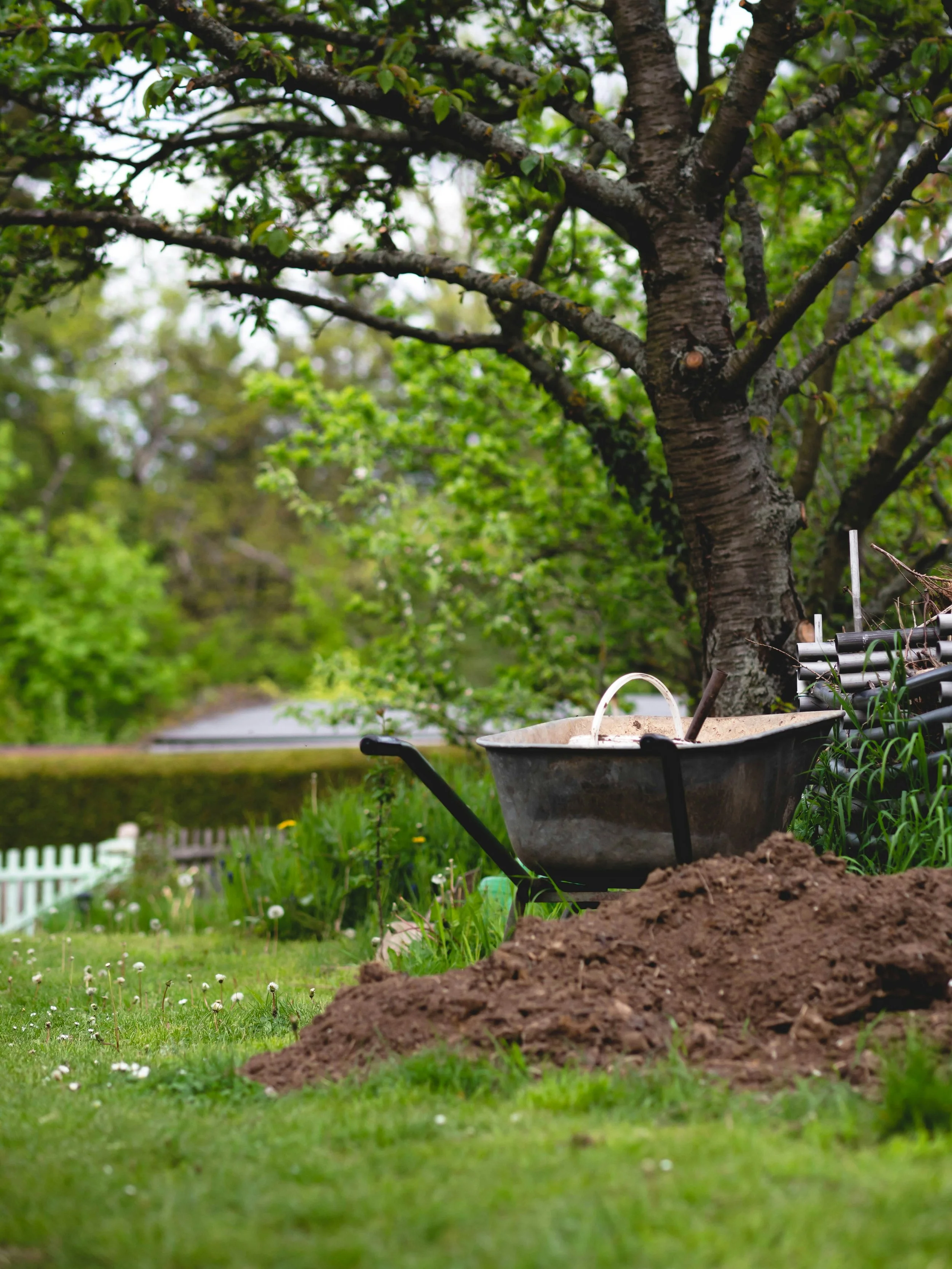
In the Chew Valley, just outside Bristol and Bath, we’re blessed — and occasionally challenged — with bright red clay soil. It’s thick, sticky, and can be notoriously difficult to work with, especially when planting. Anyone who has tried digging it in winter will know exactly what I mean.
That said, clay soil isn’t all bad news.
Clay is naturally rich in nutrients and holds moisture exceptionally well, both of which are hugely beneficial for plant health. It keeps plants well fed and helps maintain strong, hydrated root systems. Once established, many plants positively thrive in these conditions.
There are plenty of clay-loving plants to choose from, whether you’re working with sunny borders or shadier spots. Reliable performers include roses, Carex grasses, Molinia, Cornus, Viburnums, and Hellebores. These varieties are more than capable of coping with heavy soil and don’t mind having “damp feet” through the winter months.
If, however, you’d like a wider planting palette, improving the soil structure will give you far more flexibility.
The ideal soil composition is one that feels light and workable while still retaining structure. Good drainage is key — and grit plays an important role here. Too much compost on its own can make soil overly fluffy, reducing stability in heavy rainfall or high winds. Too little, and you’re back to battling dense clay.
A balanced mix works best:
· 40% existing clay soil
· 40% compost
· 20% grit (small stones for drainage)
This combination creates a soil that drains well, supports healthy root development, and allows plants to establish without struggling through compacted ground. It’s about working with what we have — not against it — and adding to existing conditions where a broader range of plants can flourish.
If you still need some help working out how to improve your soil, then get in touch!