Wildlife Garden in Wells

The Brief
This garden is situated on the edge of the beautiful city of Wells. The clients had one clear vision from the outset: to create a garden that was as welcoming to wildlife as it was to themselves. They wanted a colourful, naturalistic space where birds, bees, butterflies, hedgehogs and countless other species could find food, shelter and water throughout the year.
Alongside the wildlife-focused areas, they also wanted a productive kitchen garden complete with a Victorian-style greenhouse, cold frames and as many raised vegetable beds as possible, allowing them to grow a large proportion of their own fruit and vegetables.
The Existing Garden
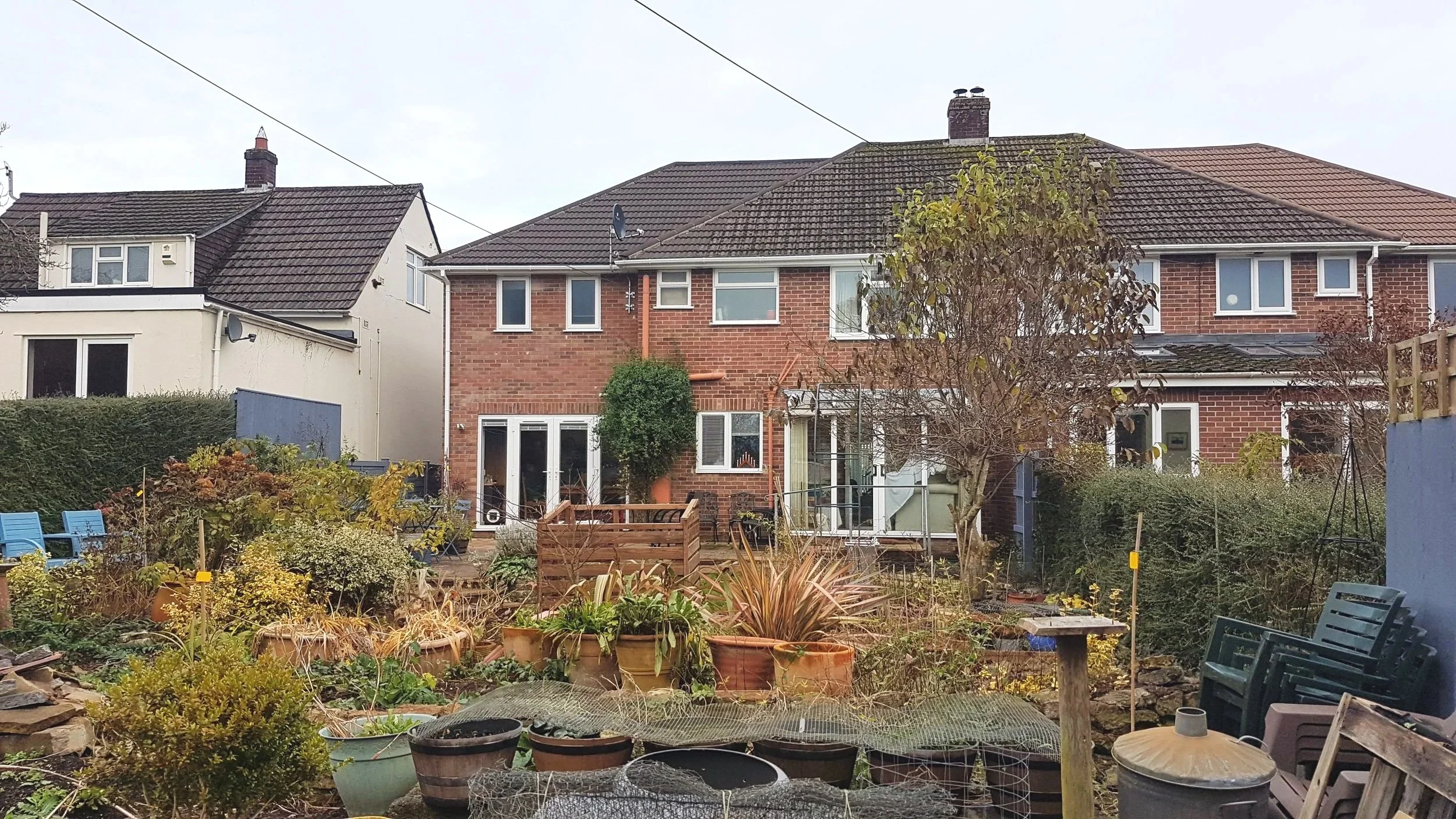
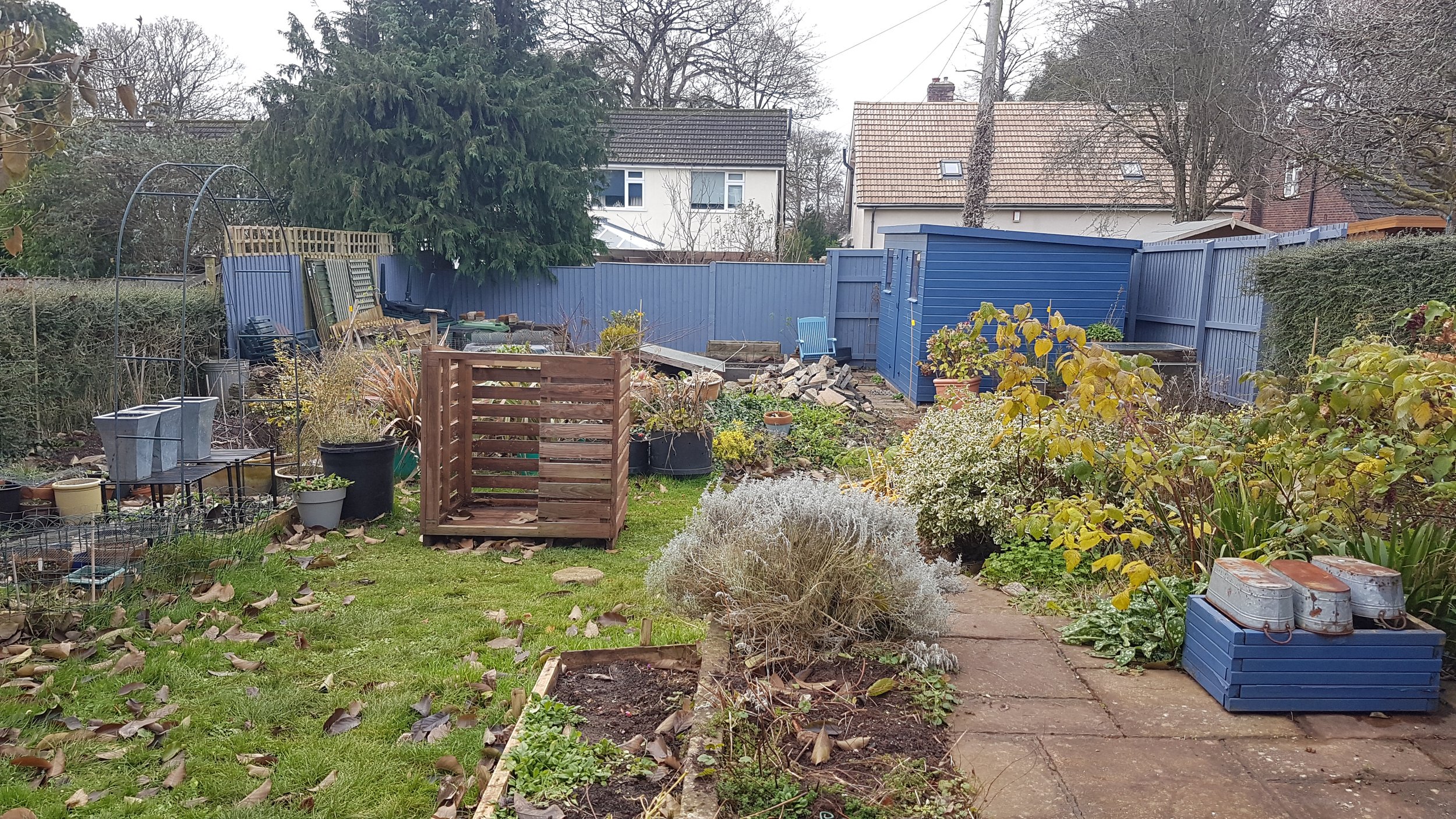
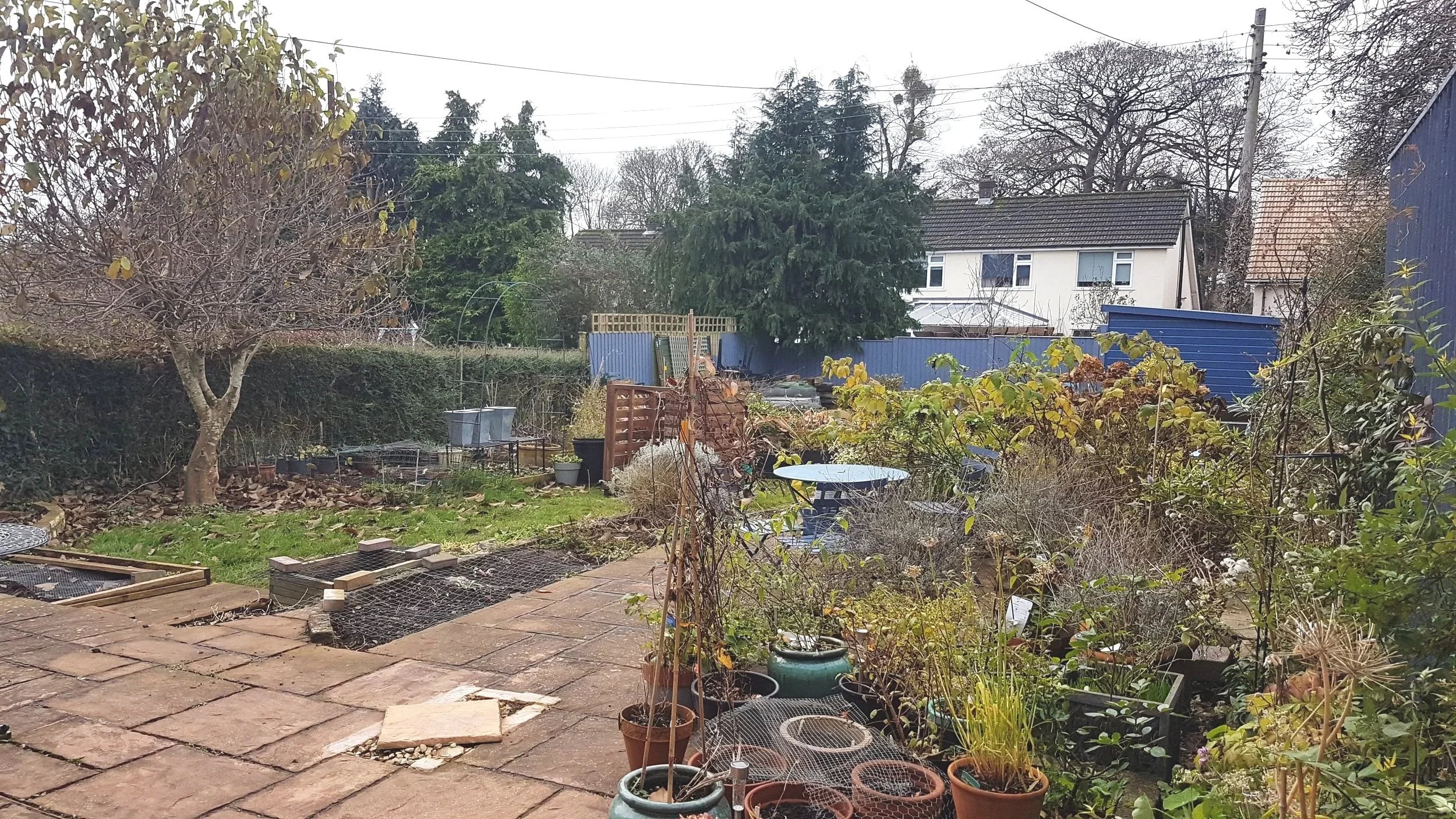
The garden had great potential but had become something of a dumping ground over the years from previous owners. Rubble, piles of soil and various unwanted materials were scattered throughout the space, while the clients themselves had arrived with a wonderful collection of pots and plants they were keen to keep but had nowhere suitable to display.
The only place the clients could really enjoy was a pair of chairs positioned to take advantage of the beautiful view towards Wells Cathedral.
The Final Garden Design Layout


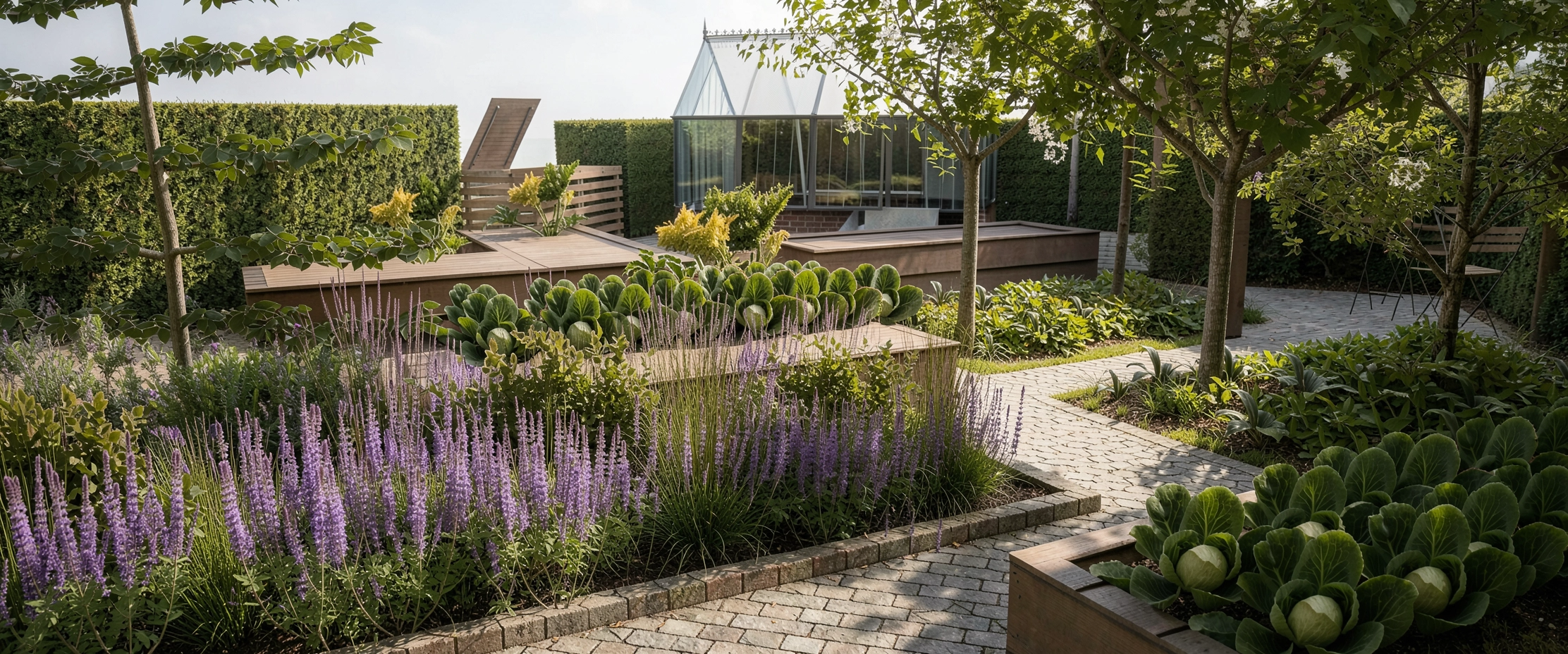

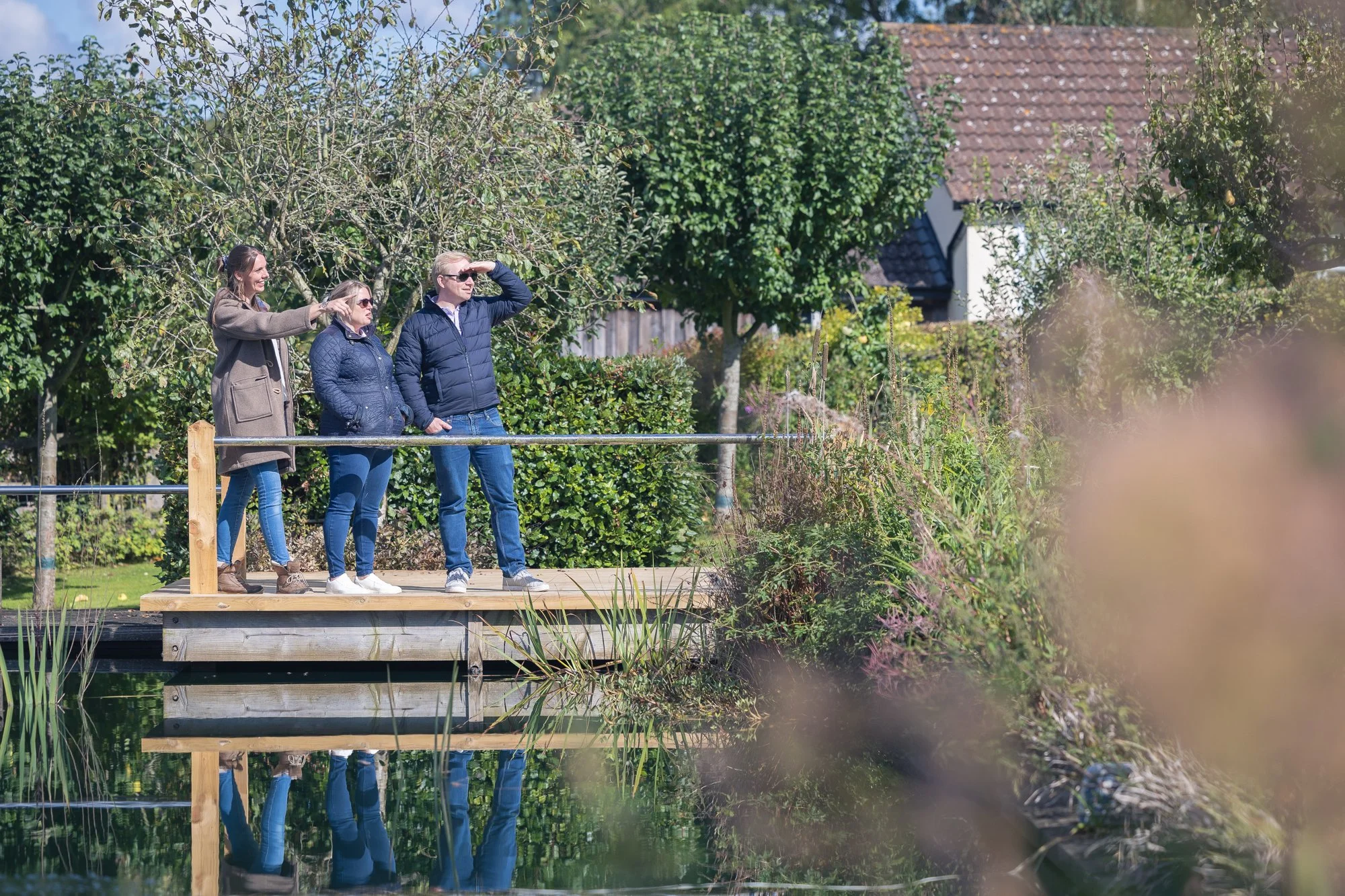
At the top of the garden, I designed a wildlife pond that would become the heart of the habitat creation. The pond included a shallow beach area with scattered pebbles, allowing insects and other wildlife to safely access drinking water. Aquatic and marginal plants were selected to provide flowers throughout the seasons while supporting a wide variety of pond life.
Closer to the house and seating areas, I positioned generous planting borders filled with pollinator-friendly perennials. By concentrating the colourful planting and the pond near the areas where the clients spent most of their time, they would be able to enjoy watching bees, butterflies, hoverflies and birds visiting throughout the day.
Running through the centre of the garden, an old-style brick pathway gently led visitors down towards the productive kitchen garden. The winding path passed between raised vegetable beds before arriving at the Victorian-style greenhouse, cold frames and the existing shed, creating a practical yet characterful working area that felt connected to the rest of the garden rather than separated from it.
Midway along the garden, I introduced a small orchard-style area using wildlife-friendly fruit trees including crab apple and damson. Beneath these trees, woodland planting created another distinct habitat, providing seasonal flowers, evergreen structure, shade and increased privacy from neighbouring properties.
Planting Design
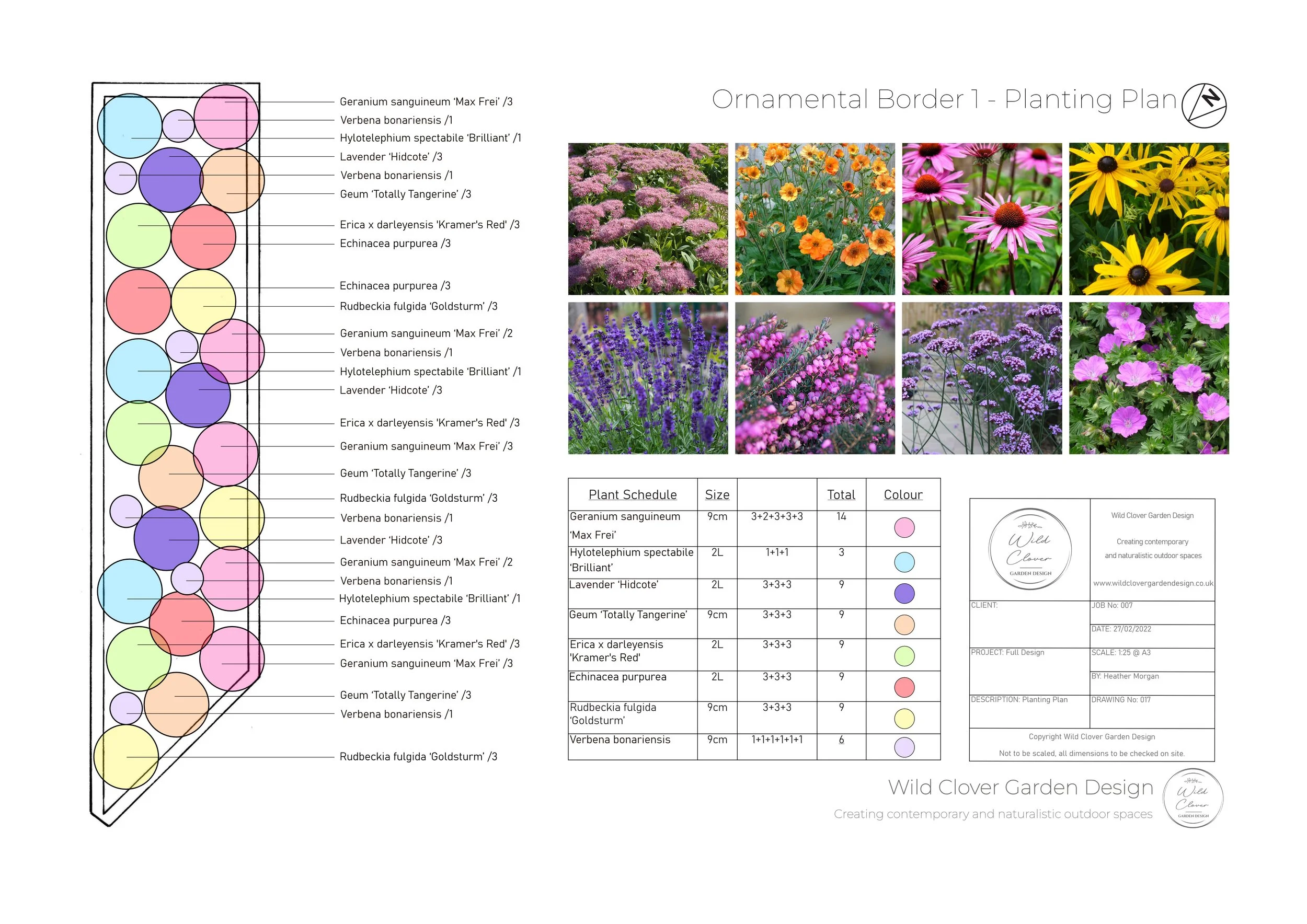
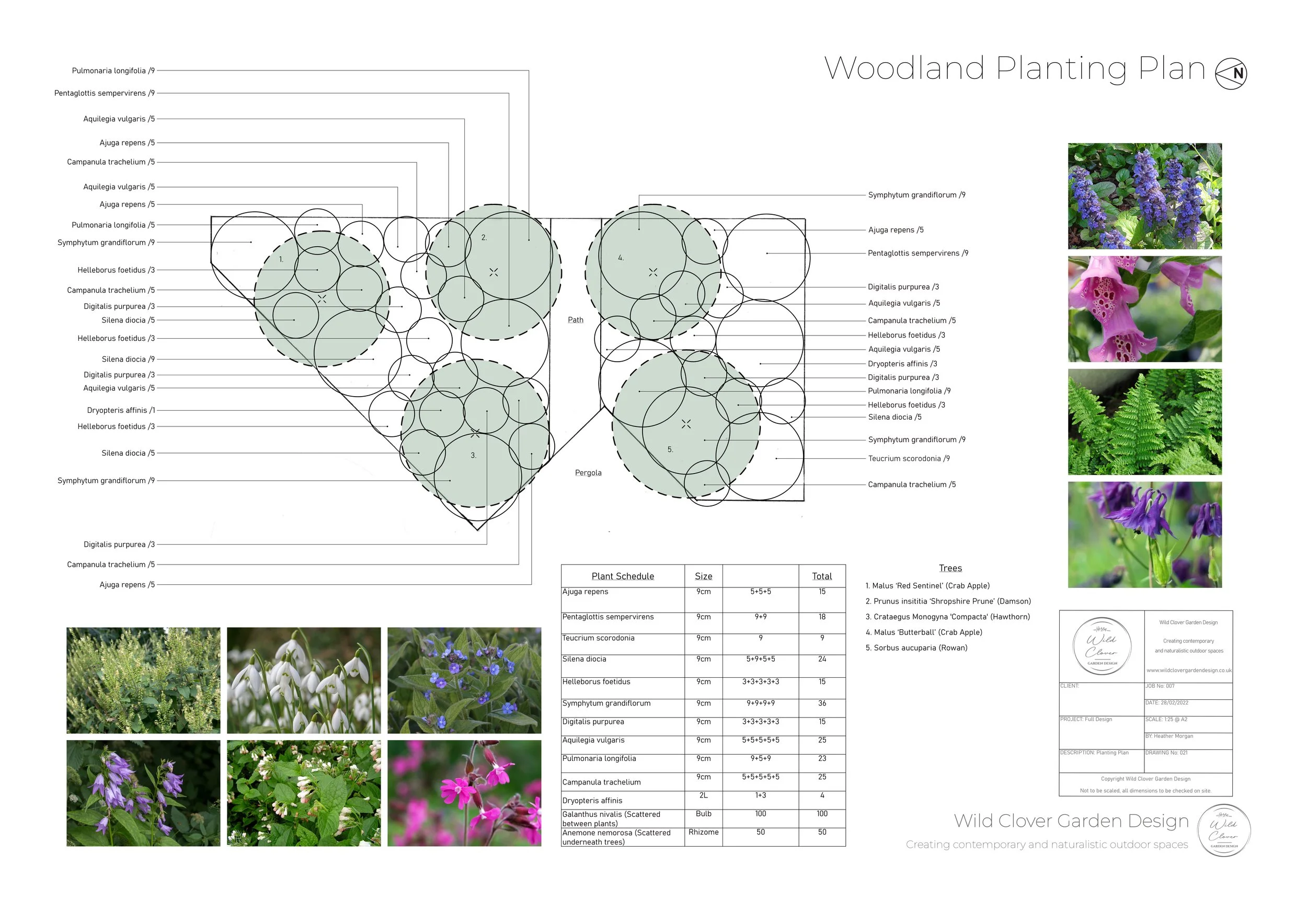
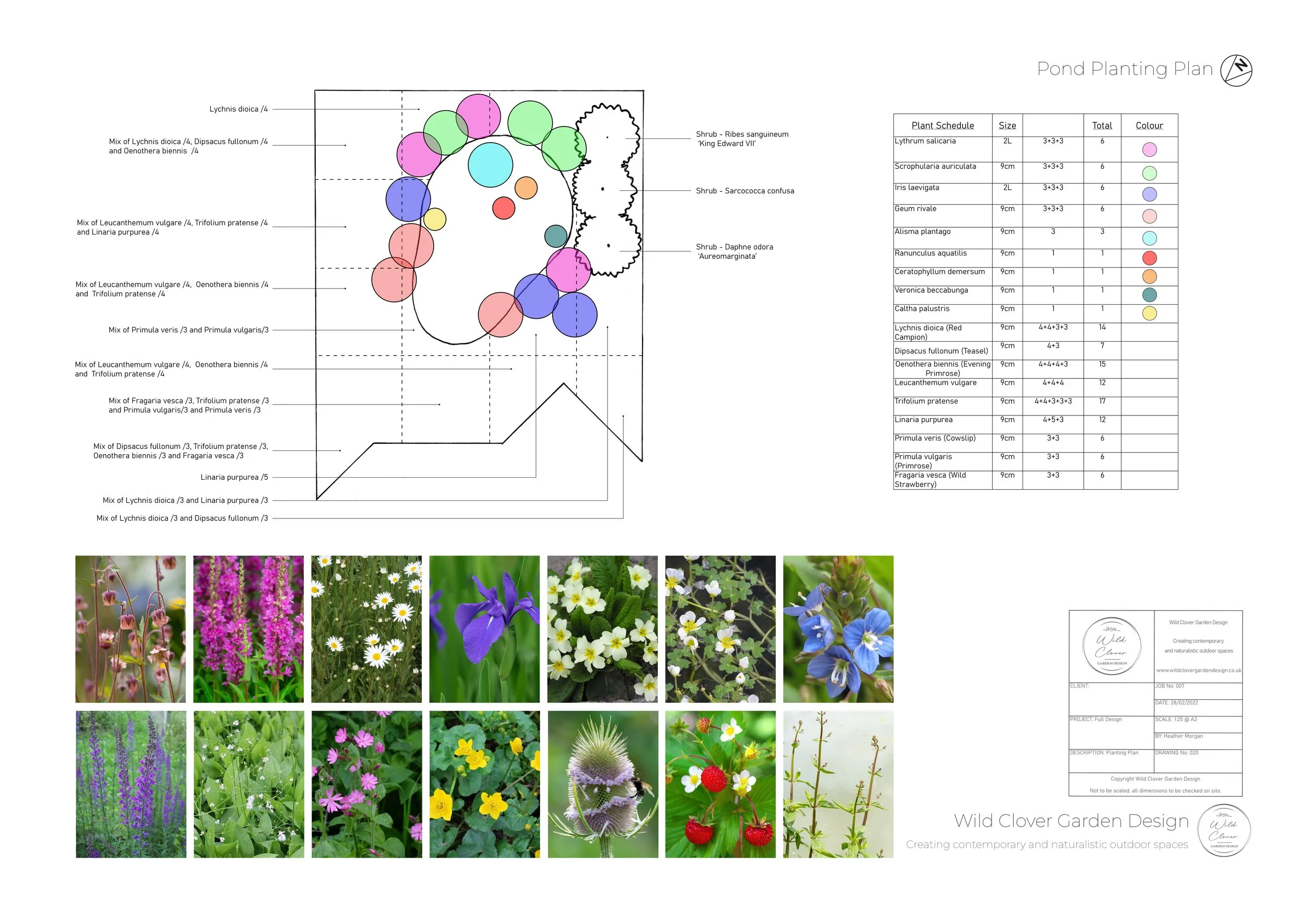
Although the overall planting style has a relaxed, natural cottage garden feel, each area was designed around the different growing conditions and the wildlife it would support.
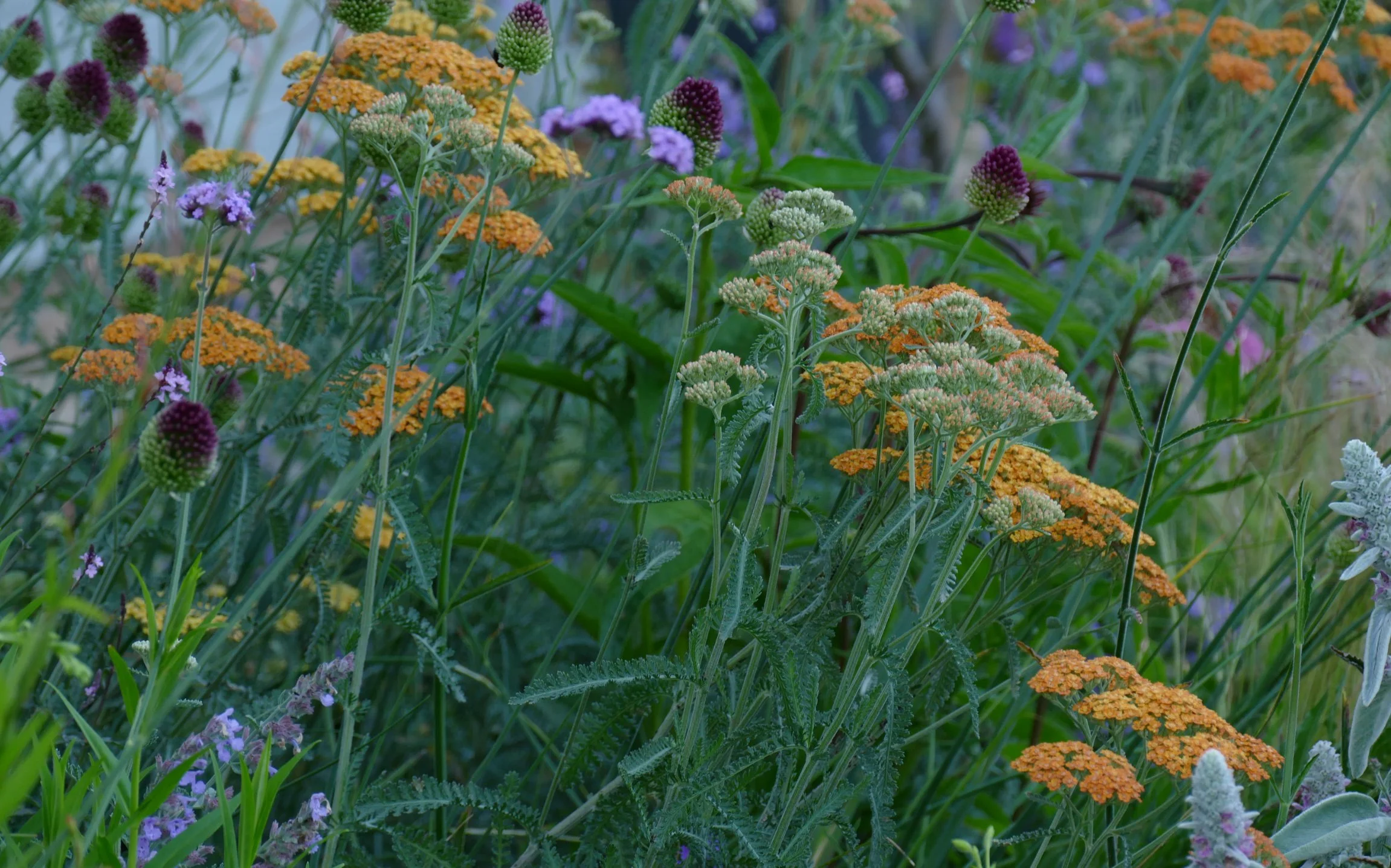
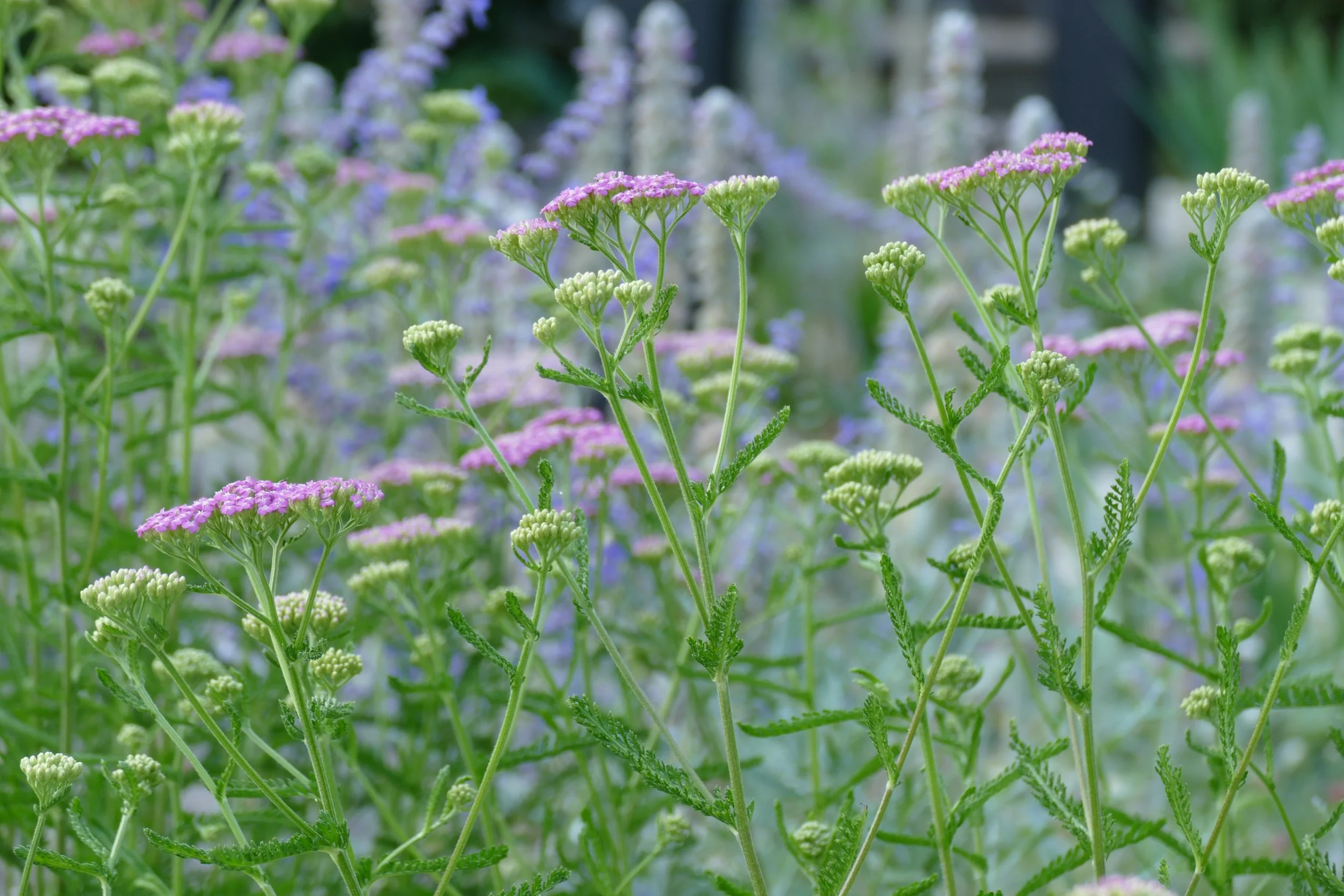
The sunny borders are filled with nectar-rich perennials that provide long-lasting colour while attracting bees, butterflies and hoverflies throughout the growing season. Care was taken to provide flowering from early spring through to autumn, ensuring a continuous food source for pollinating insects.
The woodland planting beneath the fruit trees has a very different character. Spring bulbs and woodland flowers emerge before the trees come into leaf, providing valuable early nectar for queen bumblebees and other insects emerging after winter. As the season progresses, the emphasis shifts towards contrasting foliage, textures and shade-loving perennials, while evergreen planting continues to provide shelter during the colder months.
Around the wildlife pond, a third planting palette was introduced. Oxygenating plants beneath the water, emergent aquatic plants and moisture-loving marginal species all play an important role in supporting healthy pond ecology. Together they create habitat for dragonflies, damselflies, aquatic beetles, frogs and many other species that quickly colonise even relatively new ponds.
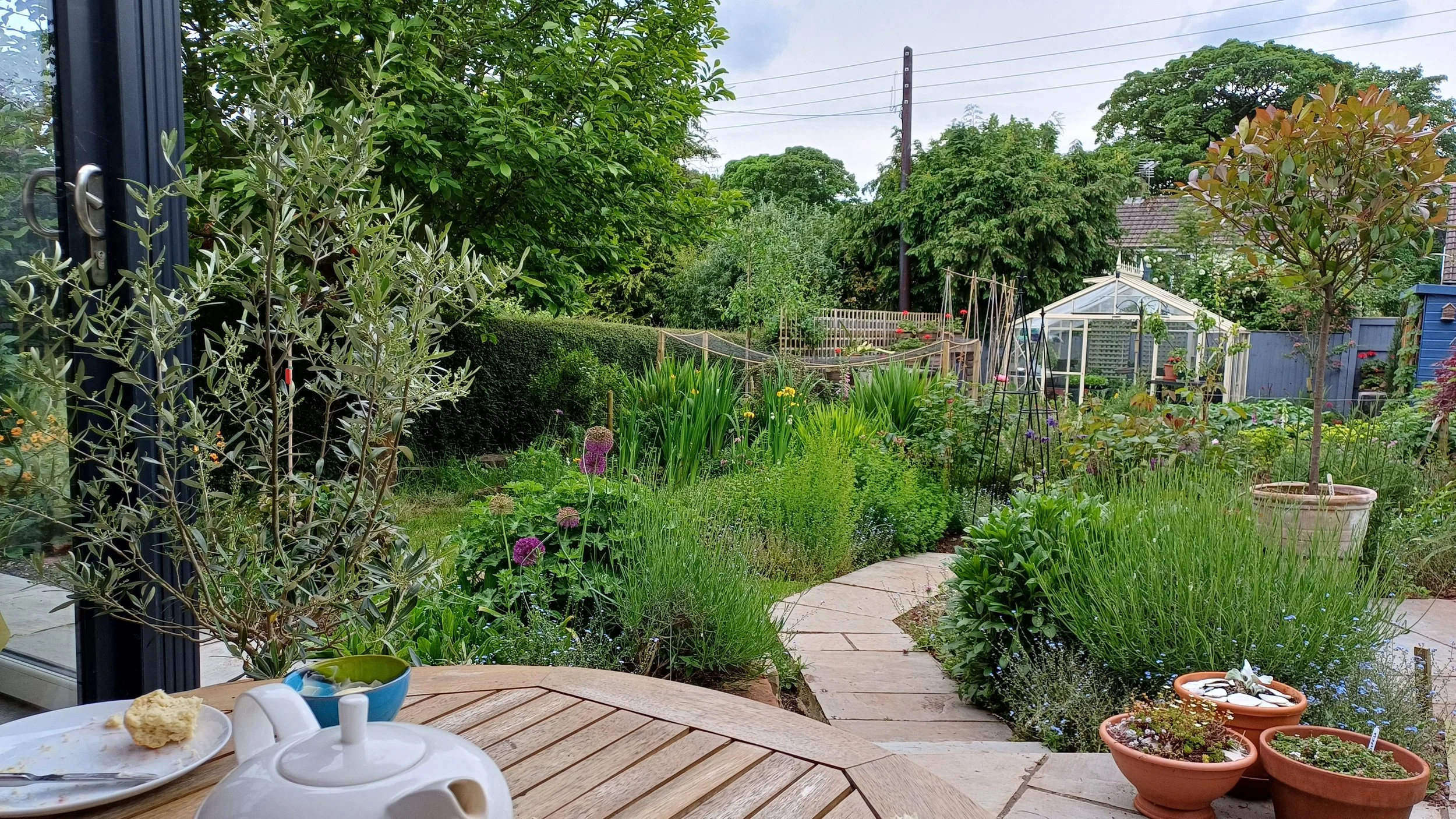
The Completed Garden
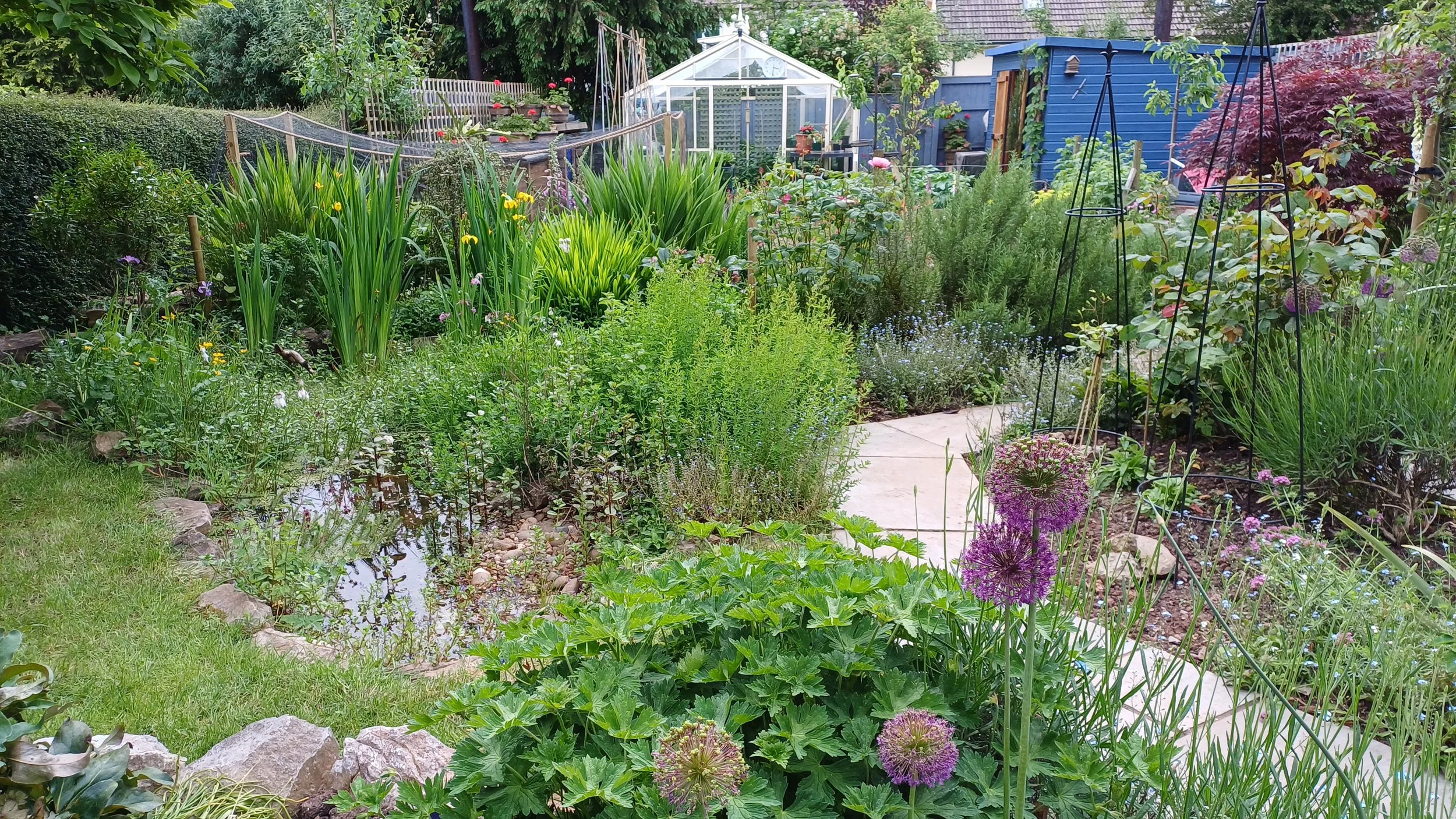
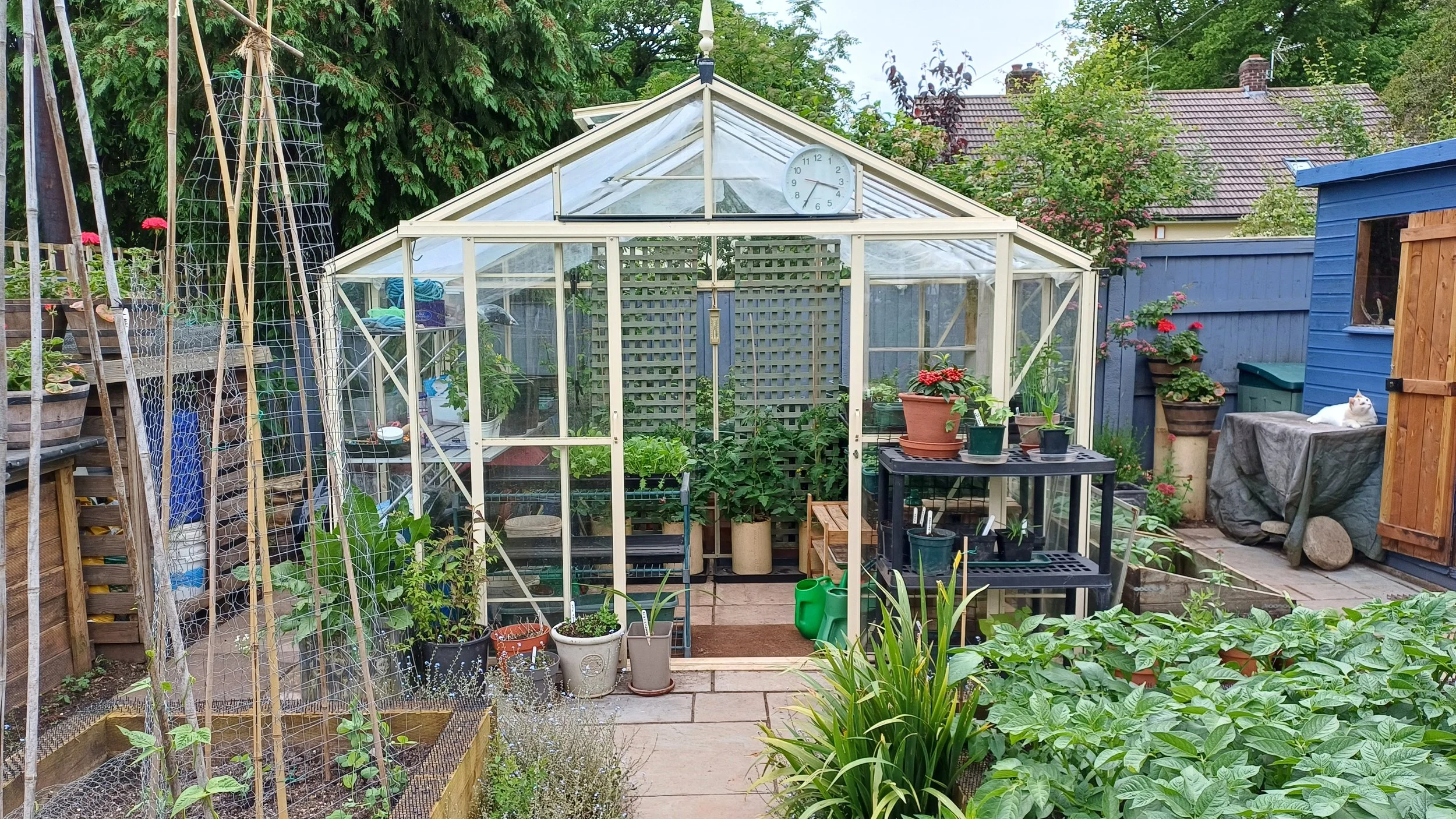
As with many garden projects, some elements naturally evolved during construction. The clients were keen to incorporate many of the plants they had already collected over the years, and a few areas of the garden were adjusted as the build progressed to make the best use of these existing treasures.
What remained unchanged was the original vision: creating a thriving wildlife haven in the heart of the city.
This is one of those projects that has stayed with me because of how deeply the clients valued nature. Every decision was driven by the question, "How can this benefit wildlife?" Rather than treating biodiversity as an afterthought, it became the foundation of the entire design.
Creating gardens that not only look beautiful but also provide food, shelter and habitat for wildlife is something I care deeply about, so it was a real pleasure to design a space where both people and nature could flourish together.
Planning a wildlife garden?
Whether you're hoping to attract more birds, bees and butterflies, create a wildlife pond, or simply make your garden feel more connected to nature, I'd love to help. Together we can design a beautiful garden that not only works for you, but also provides a valuable haven for wildlife for years to come.
Get in touch here, or take a look at my services below.