

Garden Design in North Somerset and the Chew Valley
Designing a Garden in North Somerset
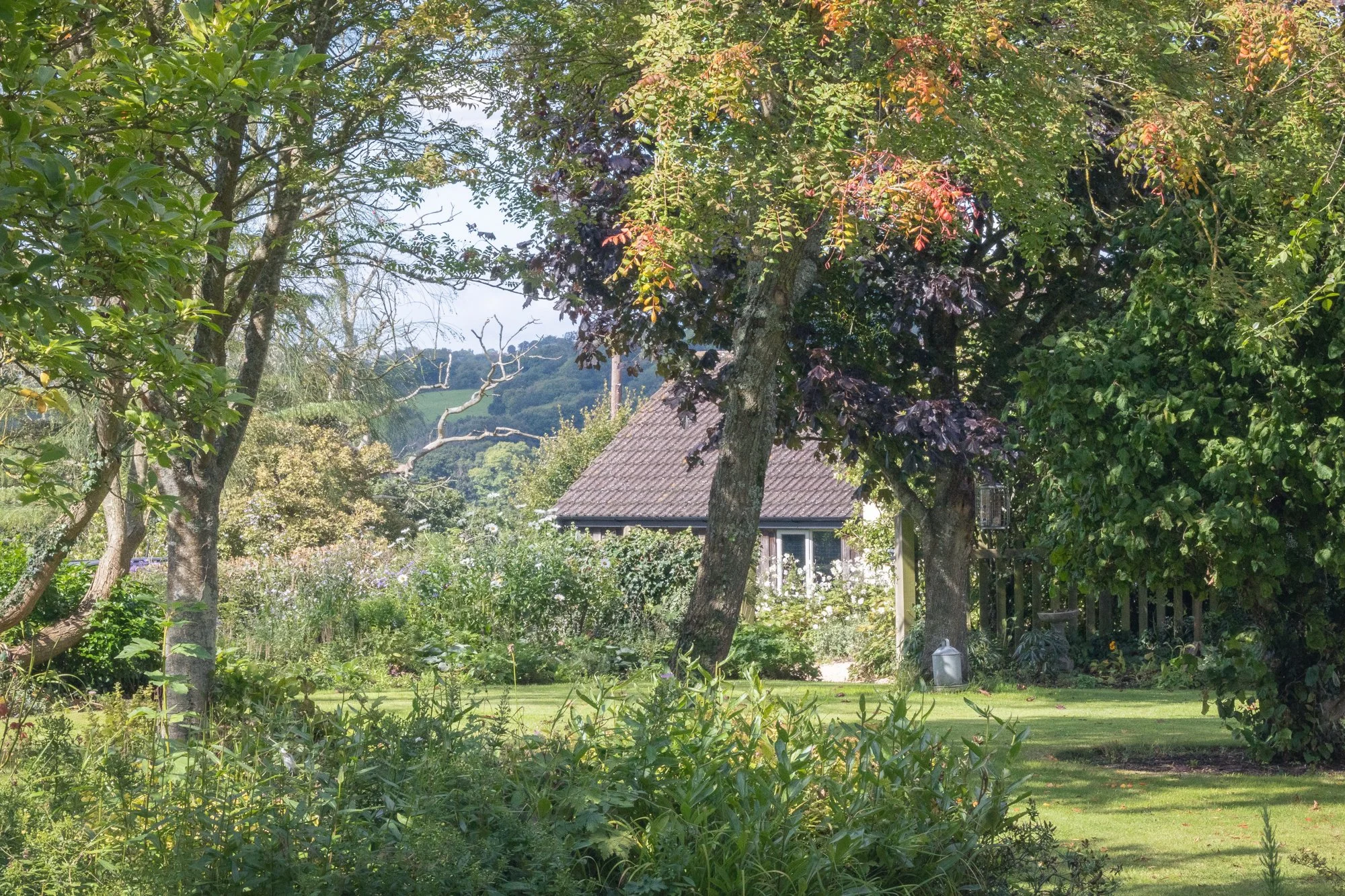
Gardens in North Somerset often sit within beautiful rural landscapes, with views across open countryside and generous plot sizes. Designing a garden here brings wonderful opportunities, but it also requires careful consideration of the local conditions. Many gardens in the area have clay soil, uneven ground and sloping levels, particularly here in the Chew Valley near the Mendip Hills. Sites can also be quite exposed to wind, and winter temperatures occasionally dip lower than average. These factors all influence how a garden is designed and the types of plants and materials that will thrive.
Working with the Landscape and Conditions
These environmental conditions need to be considered carefully when selecting plants. They need to cope with clay soil, tolerate wind and be resilient to colder temperatures. Many ornamental grasses thrive in these conditions, bringing movement and texture to windy sites. Naturalistic planting — using plants that have a softer, more informal character — also works beautifully here, helping the garden blend naturally into the surrounding rural landscape of North Somerset.
Creating Structure and Usable Spaces
Another approach is to create sheltered microclimates within the garden. These can be formed by positioning seating areas in protected spots and using evergreen shrubs or hedging to provide shelter from the wind. Closer to the house, uneven ground can sometimes make a garden feel awkward or difficult to use, particularly if there isn’t a comfortable outdoor space just beyond the back door. Introducing paved seating areas, steps and small terraces near the house can transform how the space functions, creating practical places for dining, relaxing and spending time outdoors.
Many gardens in this area are large and can sometimes feel open and undefined. A common concern I hear from clients is that there is simply too much lawn to maintain. Few people want to spend hours every weekend mowing grass. A thoughtful design can break up these large spaces so they feel structured and purposeful without losing their sense of openness. Allowing some areas of grass to grow longer as meadow planting can support wildlife while reducing maintenance, with simple mown paths weaving through the space. Structural hedging can also be used to create garden “rooms”, guiding movement through the garden and adding a sense of discovery as different areas are revealed gradually.
Choosing Materials and Designing for Low Maintenance
In the Chew Valley area, many houses are built from the warm red sandstone that is characteristic of the region. Choosing materials that sit comfortably alongside these tones helps the garden feel connected to the house and its surroundings. Natural materials such as stone and timber often work particularly well, complementing the rural setting and blending into the wider landscape.
Many of my clients ask for gardens that are both beautiful and relatively low maintenance. Even large gardens can be manageable when they are thoughtfully designed. A well-considered layout, appropriate planting choices and clear structure can reduce ongoing work and make the garden far easier to care for. The hard work happens during the design stage, where careful thought goes into creating a space that is not only attractive, but practical and enjoyable to live with over time.
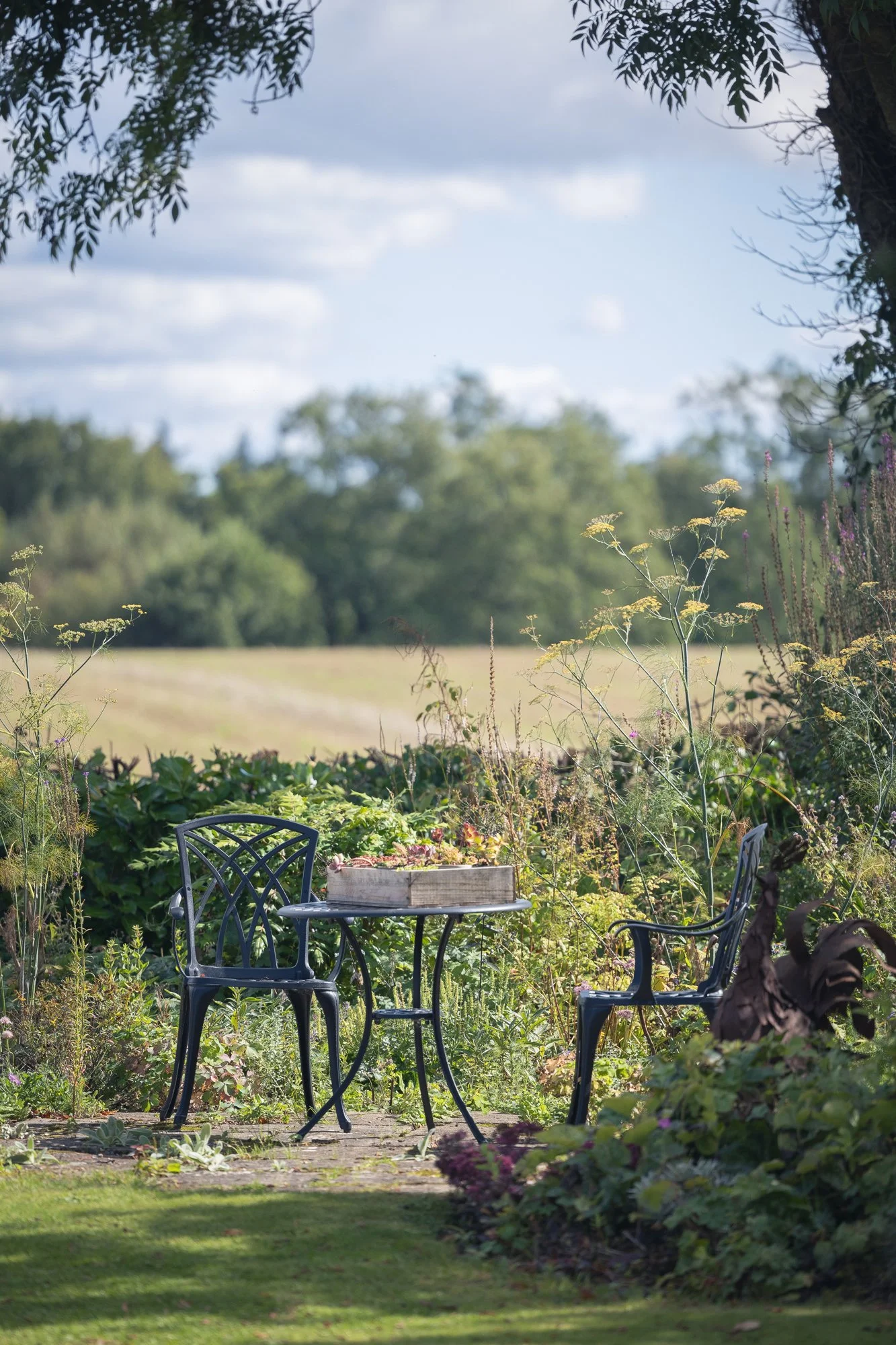
Every garden in North Somerset is different, and thoughtful design can help make the most of the space while working with the surrounding landscape.
Garden Design Services
If you’re planning a garden redesign and would like professional support, you may find these pages helpful:
If you’d like to discuss your own garden, you’re welcome to get in touch here.